By Diya Padalkar
08-01-2026
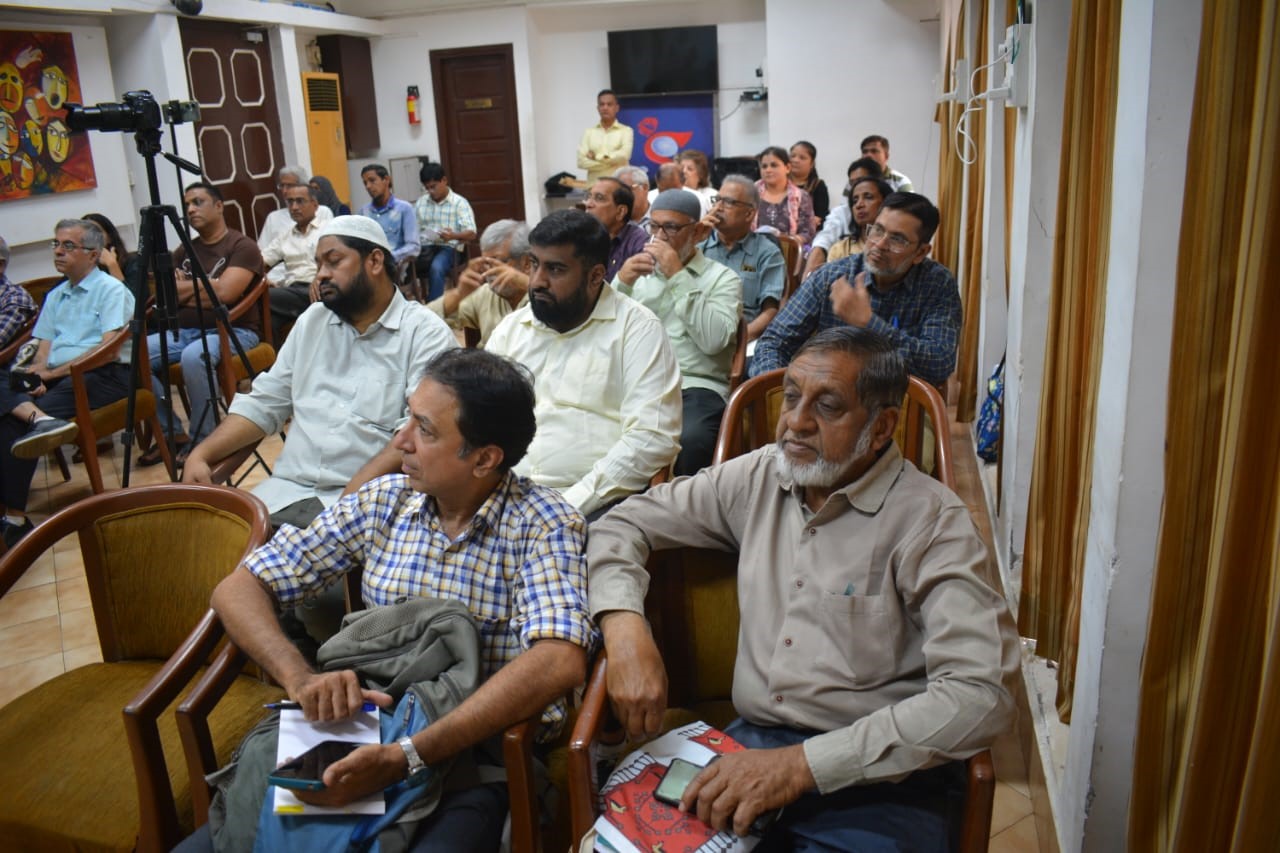
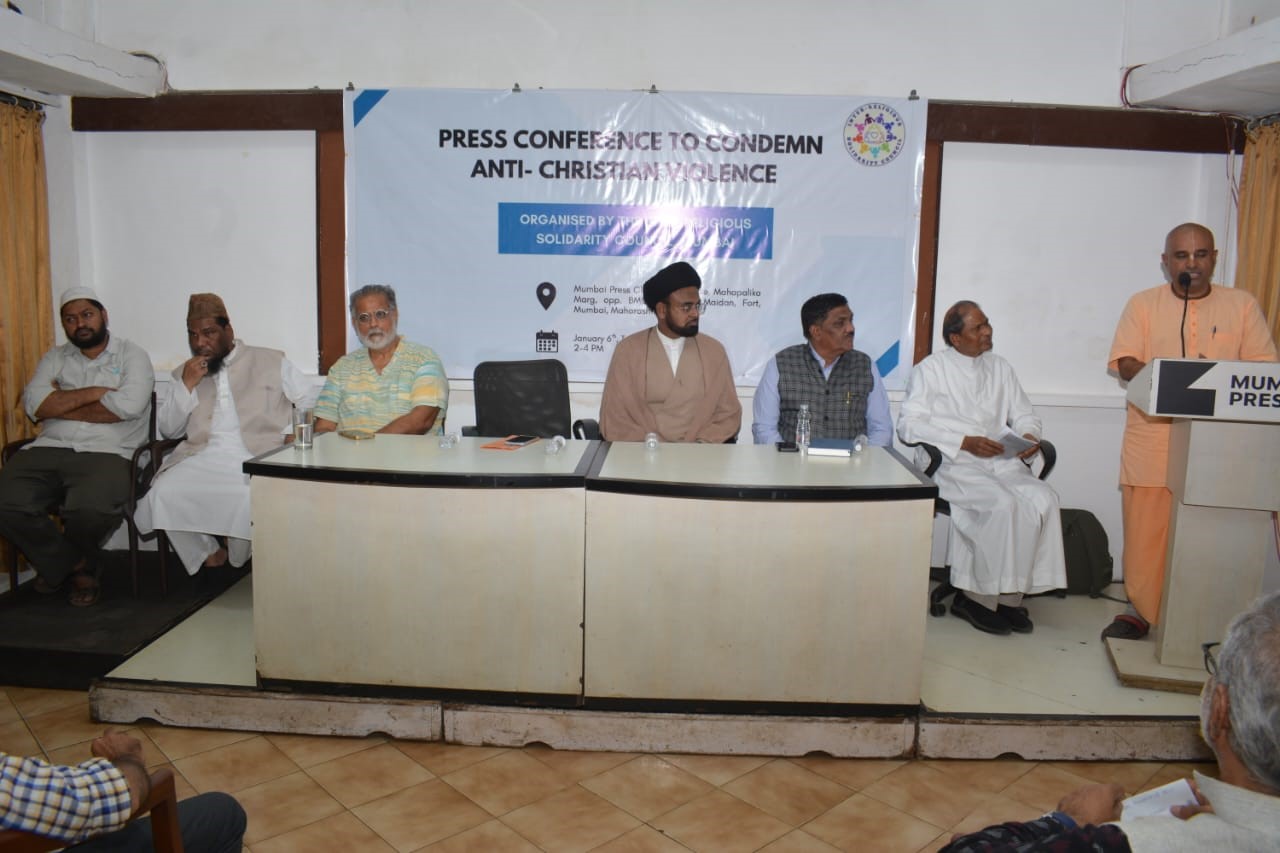
“India is internationally recognised for its civilisational ethos of Vasudhaiva Kutumbakam—the belief that the world is one family,” said Prabhu Keshav Chandra Das at the Inter-Religious Solidarity Council (IRSC) press conference held at Mumbai Press Club, amid disturbing reports of attacks targeting Christmas celebrations across India in 2025. The gathering drew members of civil society, media representatives, and concerned citizens united in their resolve to condemn such violence, with Advocate Irfan Engineer—director of the Centre for the Study of Society and Secularism (CSSS) and IRSC co-convenor—chairing the proceedings.
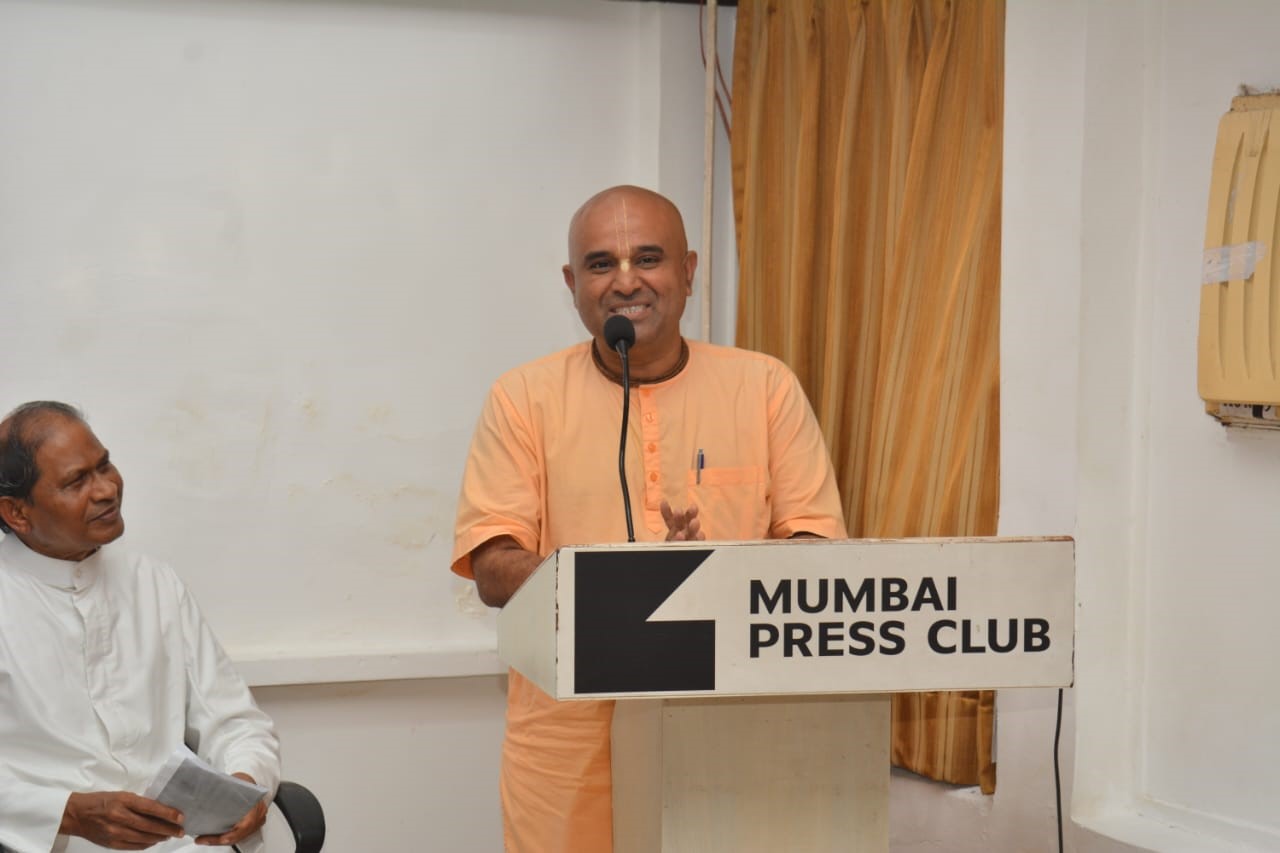
Diverse voices from ISKCON’s Prabhu Keshav Chandra Das, Pastor Devdan Tribhuvan of Christian Development Association, Islamic scholar Maulana Rooh-e-Zaffar, Father S.M. Michael from the Archdiocesan Commission for Inter-Religious Dialogue, Humayun Shaikh of Jamaat-e-Islami, and civil activist Tushar Gandhi came together to denounce religion-based extremism and its manifestations. They detailed specific incidents that underscored the growing threat of religious extremism: in Assam’s Nalbari district, St. Mary’s School in Panigaon village was vandalised, and shops selling festival items destroyed, Christmas decorations set ablaze, and provocative slogans raised; in Jabalpur, Madhya Pradesh, a BJP city vice president publicly abused and assaulted a visually impaired woman at a Christmas feast; Hindu extremists vandalised a school in Rajasthan’s Nagaur during celebrations; and in a Mumbai suburb, two Christian women faced harassment on December 11 while distributing pamphlets. These incidents were only a few amongst many other attacks on Christians celebrating Christmas. Christian prayer meetings disrupted are disrupted and homes, banquet halls etc. are attacked on false accusations of illegal conversions. The police often accompany the attackers and those attacked are arrested on false accusations.
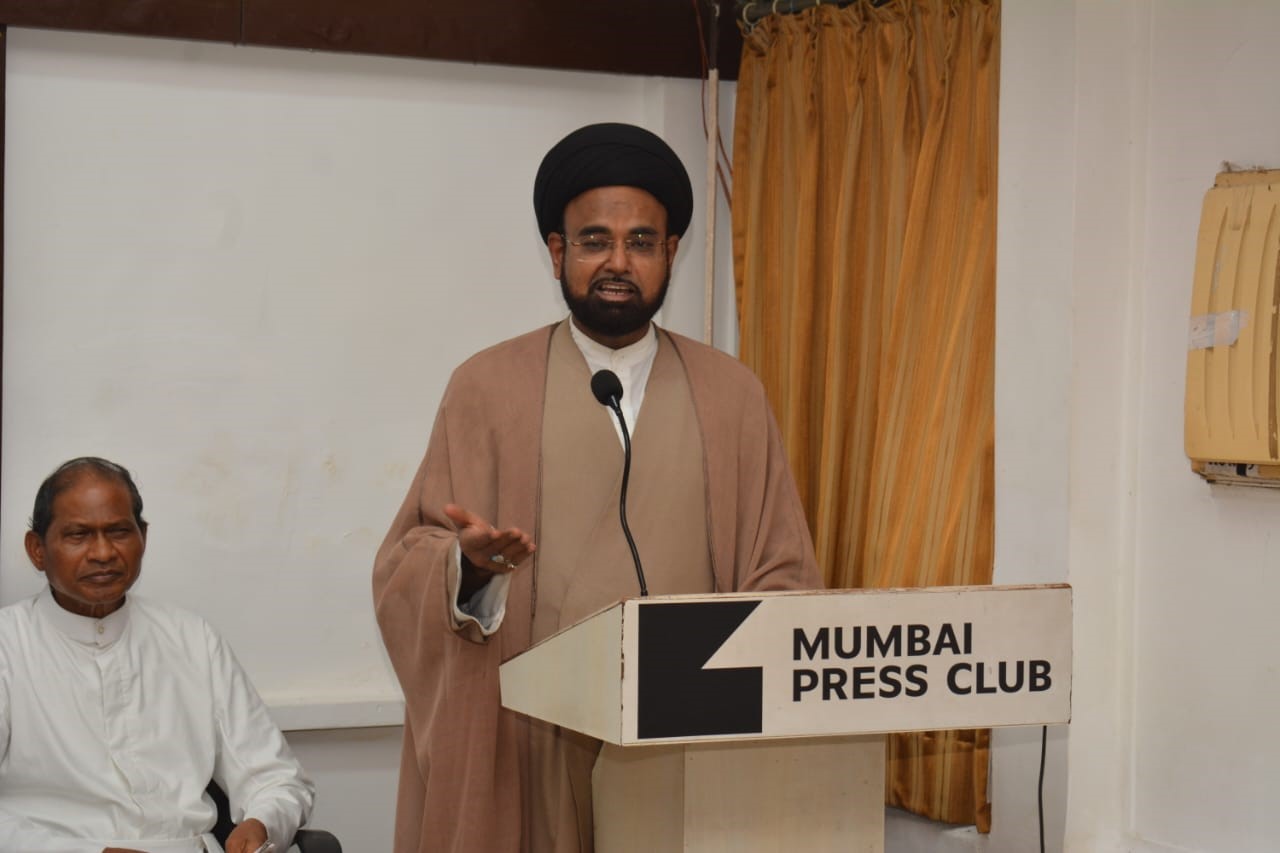
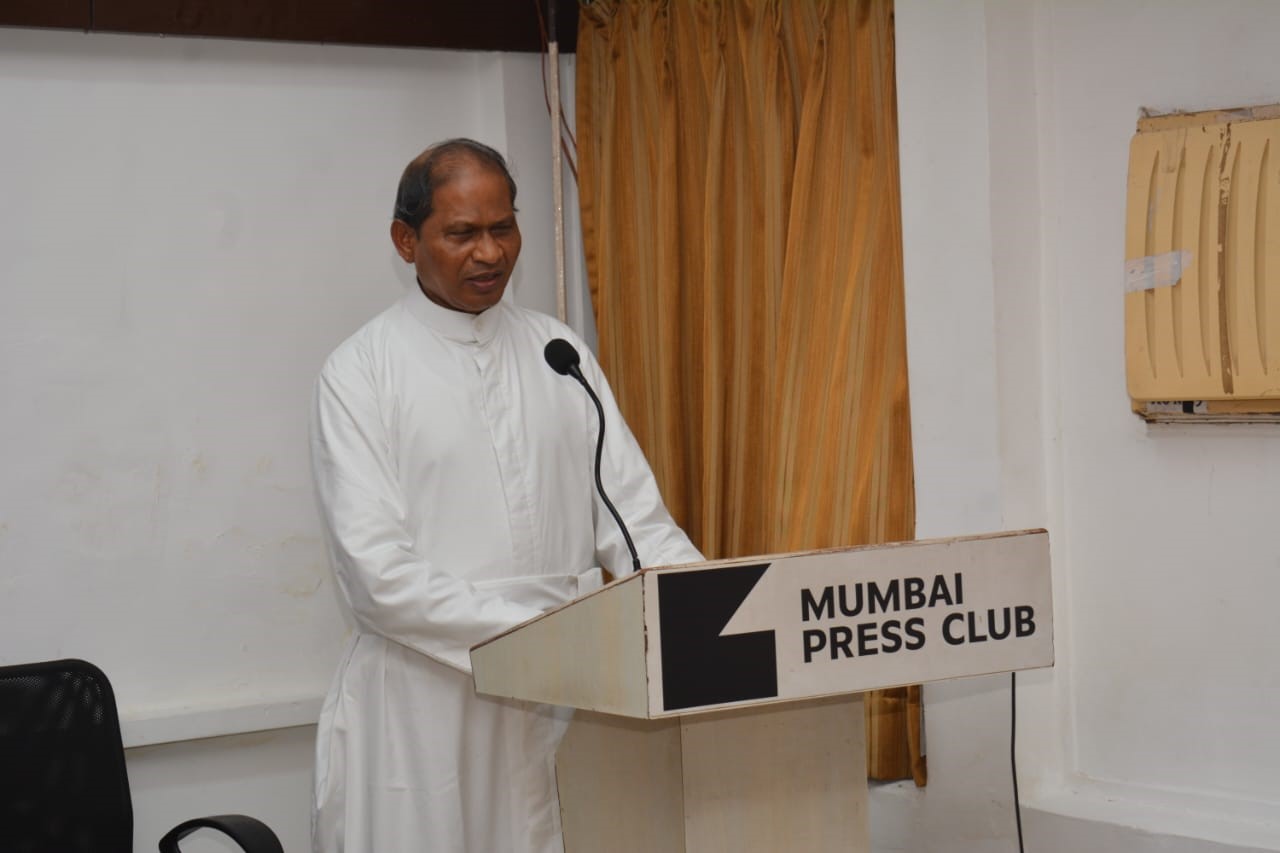
Those addressing the press conference unanimously condemned violence. They called for love and peaceful co-existence among followers of all religions. They urged on all to uphold Constitutional values and respect for religious freedom. They questioned complicity of the state in the attacks. Pastor Tribhuvan called for decisive law enforcement support. Maulana Rooh-e-Zafar emphasised that such violations defy India’s Constitutional right to follow any faith, urging a shift from hate to harmony. Father Michael highlighted the surge in hate speech, threats, physical and mental harassment, false accusations, acted as barriers to community services being rendered by Christians. He explained that Christians undertake humanitarian services of feeding the hungry, quenching the thirst of thirsty, clothing the naked and defending the human rights of marginalised as a part of their religious teachings. He countered conversion allegations against Christians by sharing lived examples of Hindus and Christians coexisting as family, advocating peace.
Humayun Shaikh drew on Prophet Muhammad’s teaching to aid the oppressed by halting the oppressor’s actions, framing these incidents not as religious conflicts but as propaganda for political ends that falsely invoke conversions. He proposed practical steps: inter-community dialogues where Christians, Hindus, and Muslims collectively resist injustice; building stronger ties through inclusive gatherings at places of worship; and religious leaders rallying followers to claim their Constitutional rights through faith-based solidarity.
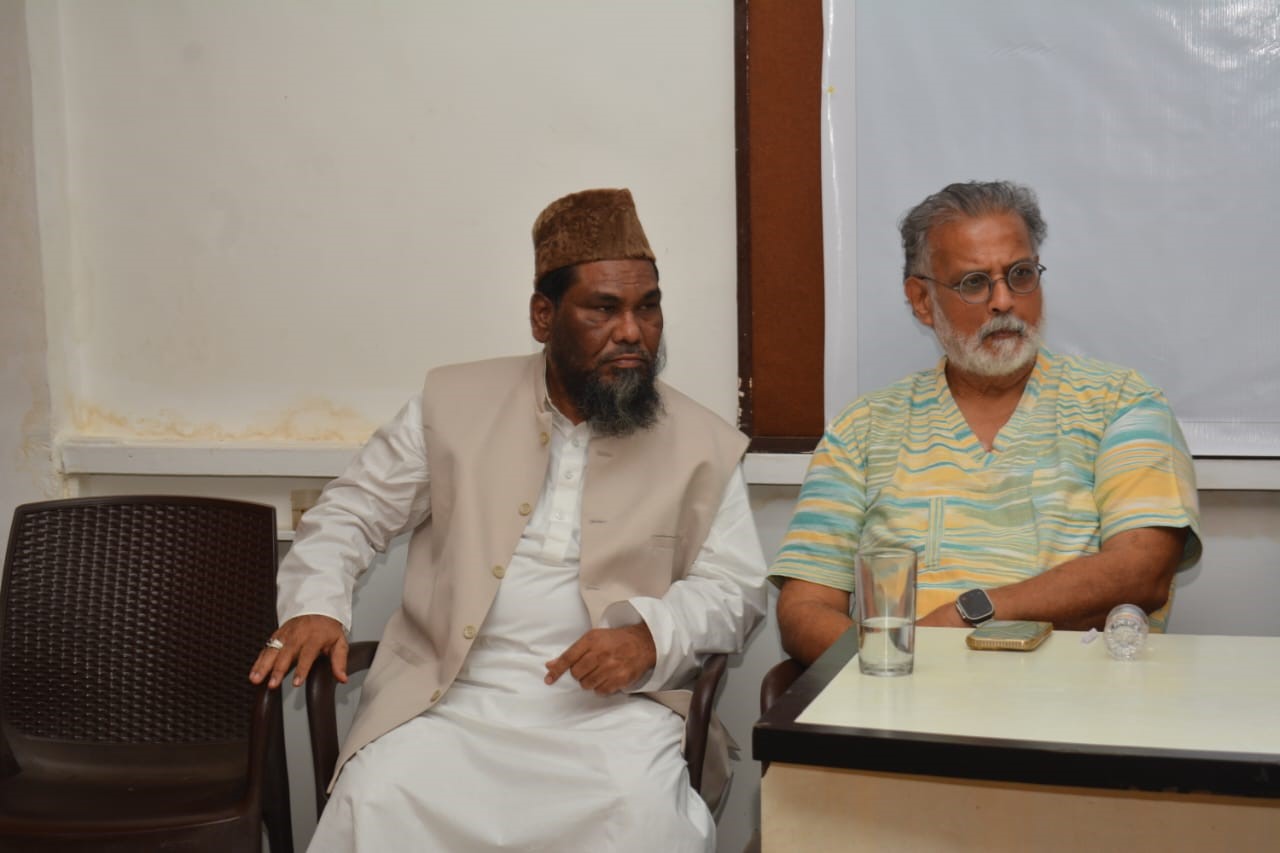
Tushar Gandhi challenged the narrative that minorities were to be blamed for the attacks on them. The silent majority who do not actively condemn the attacks are complicit and responsible. Their silence is agreement with the act, if not indirect participation in it. Gandhi’s closing plea was to act decisively against these injustices, honouring India’s pluralistic legacy.